An Early Note on Genre

"Whatever in creation exists without my knowledge exists without my consent." - Judge Holden (Blood Meridian, 1985)
We like ordering things. Taxonomy brings our lizard brains peace: from kingdom to species, there's a place for everything and everything is in its place.
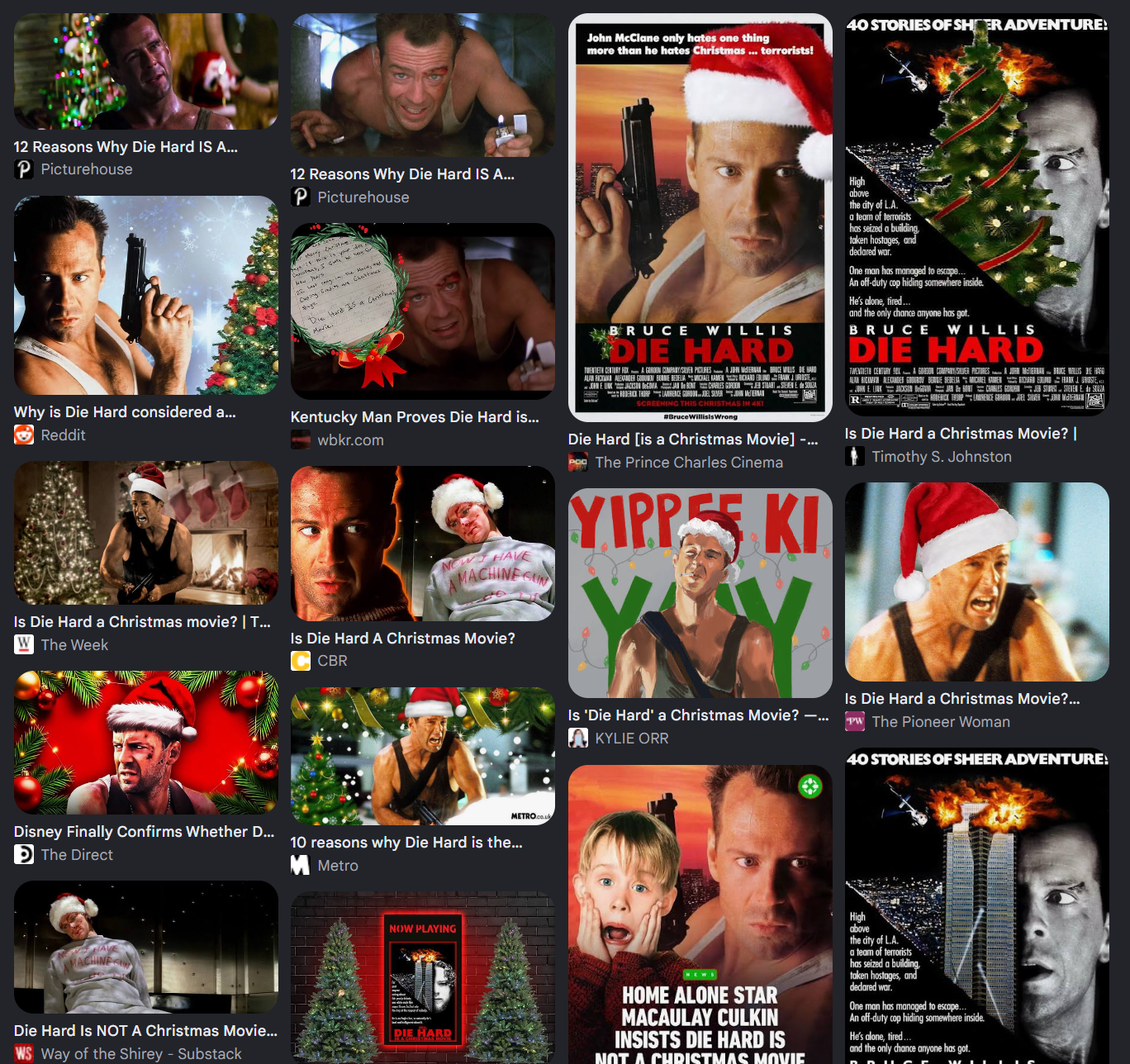
Movie fans are obsessed with genre and its an endless source of debate, disagreement, and clickbait. How many videos have you seen of "Top 10 secret horror movies" or general top lists of a genre that include a pick that you'd not even call that genre? Is Die Hard a Christmas movie?
YouTuber Patrick H. Willem's and his "Document Movies" video had me thinking about our never-ending desire to discuss genre and understand how it is constructed. Willem's channel is pretty dedicated to the deconstruction of genre and these types deep dives intro micro-genres and niche trends within filmmaking. He does a great job in not losing the forest for the trees: while the entry point is genre deconstruction, the ultimate thesis is what the (often hyper-specific sub-)genre reflects back to us.
True deconstruction and hyper fixation on genre and trope definitions is an ongoing debate in any genre. As a metal fan, I can tell you right now that someone out there is currently arguing passionately about the differences of stoner, sludge, and doom metal.
There are broadly two camps (kingdoms?) to this:
- There is an order to everything and chaos is a function of not having the correct or precise enough taxonomy
- There is no order to anything, everything is chaos, and any taxonomy on top of it doesn't create order, it just labels to chaos to make it feel like order
I believe codifying and categorising everything that makes up a piece of fiction is a fool's errand at best, and at worst, it is a deliberate attempt at gatekeeping art through purity politics.
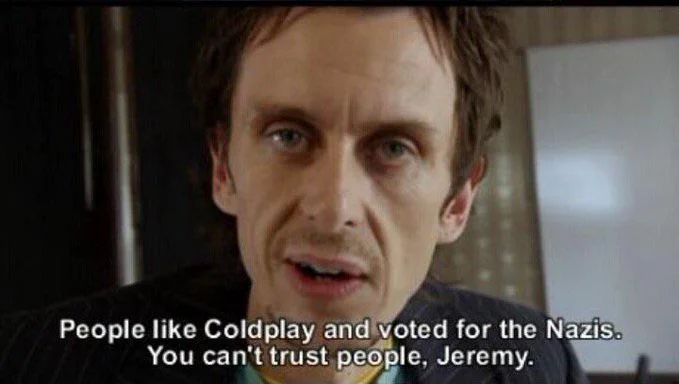
Why people think something is "elevated" within a genre is a somewhat interesting question from a sociological point of view, but to me it says very little about the film itself. The Shining was nominated for a Razzie after all; you just can't trust people on matters of genre.
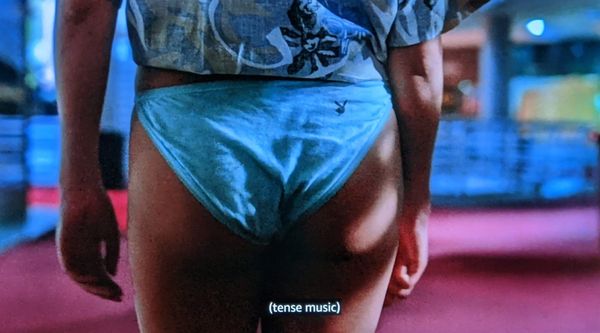
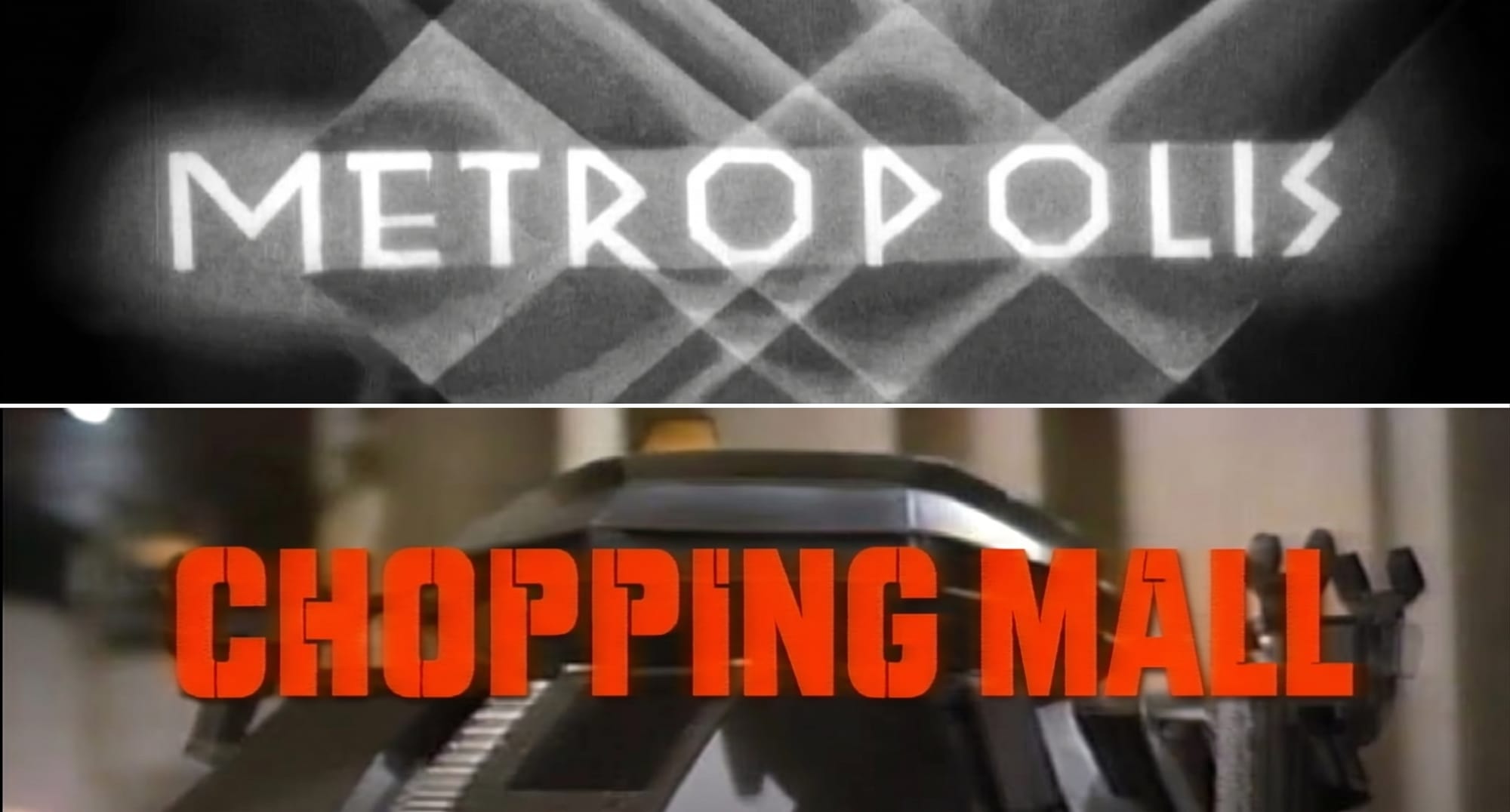
I'm interested in what film makers are trying to say, independent of their budget, or ability, to express it. The ideas in Chopping Mall, deliberate or not, are as valid as those in Metropolis. What genre and what genre conventions they express are only interesting to me in so much as those inform the success of the film maker's intent.
So while I'm looking at genre and tropes, it is not in an attempt to deconstruct the horror genre or further categorise it: it's to look at what those tropes are saying about society at the time and way in which the are employed. I want to analyse the chaos and learn something from it, not try to organise it and pretend that underneath it all is order.
Which is quite a few words to pre-empt people commenting "um, actually, this isn't a horror movie" in future posts.